
Winter Garden Walk

Winter gardens offer a unique charm that often goes unnoticed. Taking a walk through your garden in winter can reveal details missed during warmer months. This guide provides a practical checklist to help you explore and appreciate your garden’s winter beauty while planning for its health and future growth.

Identify Flat and Empty Areas
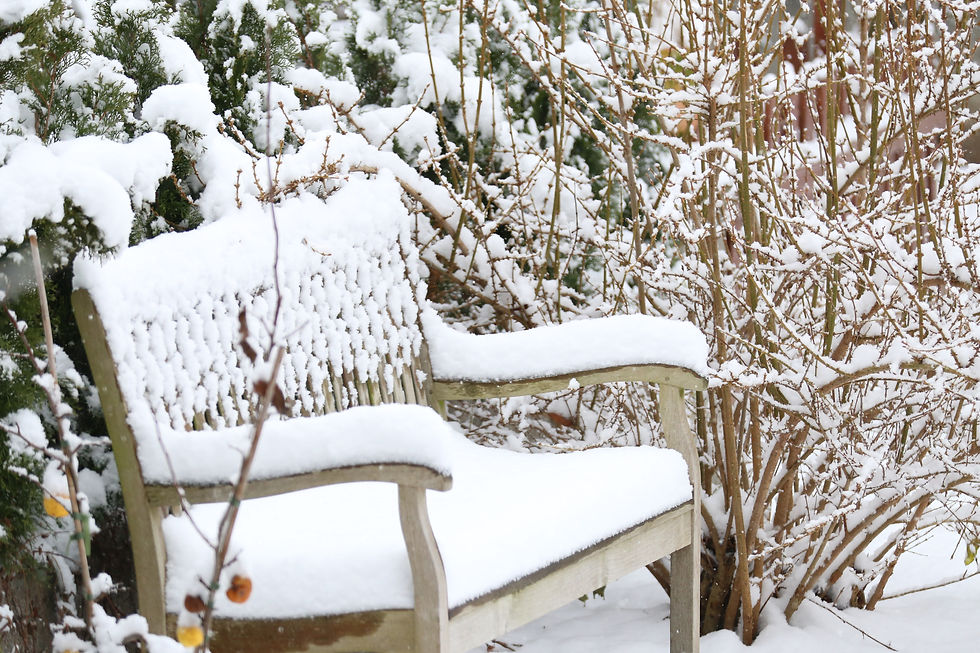
Start your walk by observing the garden’s layout. Look for flat or empty spaces that stand out in the winter landscape. These areas may appear dull or bare without the lush growth of other seasons. Noting these spots helps you plan for adding interest next year.
Check for patches where snow settles evenly without disturbance.
Notice if these areas lack any vertical elements or texture.
Consider if these spaces could benefit from new plantings or garden features.
Empty areas in winter often highlight opportunities to introduce structure or color that will break the monotony.
Add Upright Structures or Shrubs
Winter is the perfect time to evaluate the vertical elements in your garden. Upright structures and shrubs provide shape and form when most plants have lost their leaves.
Look for places where adding a shrub or small tree could create height.
Consider plants with interesting bark or branching patterns for winter interest.
Use trellises or garden stakes to support climbing plants that remain visible in winter.
Adding upright elements can create focal points and help guide the eye through the garden during the colder months.
Count Evergreen Touchpoints
Evergreens are the backbone of winter gardens. Their persistent foliage brings life and color when most plants are dormant.
Identify and count the evergreen plants in your garden.
Notice how many touchpoints they create—places where their branches overlap or meet other plants.
Evaluate if there are gaps where evergreen coverage is missing.
Evergreens like boxwood, holly, and pine provide shelter for wildlife and maintain garden structure. Increasing evergreen touchpoints can improve winter interest and habitat.
Look for Color: Red Stems, Copper Grasses, Buff Seedheads
Winter gardens are not just green and white. Many plants offer subtle but striking colors that stand out against snow and bare branches.
Search for shrubs with red stems, such as dogwood or red twig willow.
Notice ornamental grasses that turn copper or bronze in winter.
Spot seedheads that hold a buff or tan color, adding texture and warmth.
These colors add depth and interest, making your garden walk more engaging.
Notice Still Areas That Need Movement
Movement in the garden comes from plants that sway or rustle in the wind. Winter often feels still, but some plants can bring life to the scene.
Identify areas where the garden feels too static or quiet.
Look for grasses or plants with fine leaves that catch the breeze.
Consider adding ornamental grasses like miscanthus or feather reed grass.
Movement adds a dynamic element to winter gardens, making walks more sensory and enjoyable.
Note Bird Activity or Lack Thereof
Birds are an important part of winter gardens. Their presence indicates a healthy environment and adds sound and movement.
Listen for bird calls and watch for feeding activity.
Identify which plants attract birds, such as berry-producing shrubs.
Notice if some areas lack bird activity and consider adding bird feeders or shelter.
Encouraging wildlife enhances the garden’s winter experience and supports local ecosystems.


Comments